 Psychic decks have got a major upgrade. Mega Gardevoir ex has entered the TCG Pocket scene with the Fantastical Parade expansion. Competitive players are analyzing if this powerhouse deserves the hype. After weeks of testing and tournament results, the verdict is becoming clear: this card isn’t just good, it’s potentially format-defining. If you’re considering a pokemon tcg pocket top up to chase this beauty, here’s why it might be worth every resource.
What Makes Mega Gardevoir ex Special?
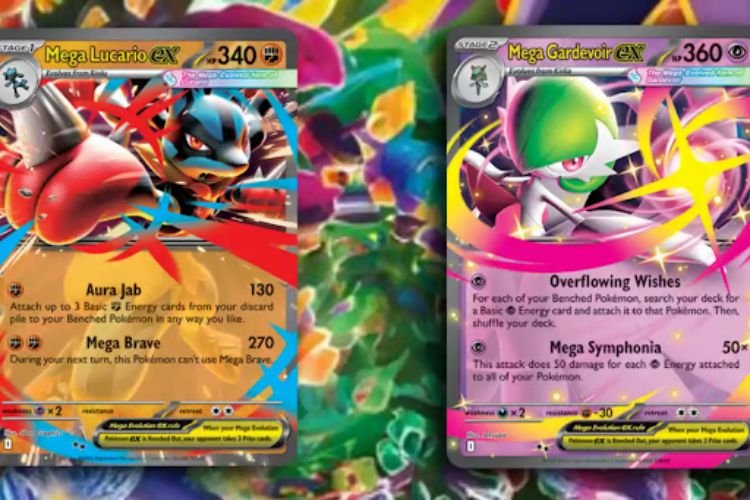 Mega Gardevoir ex stands out because it combines raw power with strategic flexibility. The card features 210 HP. It can survive exchanges that would knock out frailer attackers.
The real magic happens with its attack, Psychic Embrace. For three Psychic Energy, it deals 150 damage while also healing 30 damage from itself. This self-sustained mechanic creates scenarios where Gardevoir outlasts opponents through sheer attrition. This forces them to commit multiple attackers or risk falling behind on the prize trade.
Here’s the thing: 150 damage hits most relevant breakpoints in the format. It one-shots common basic Pokemon and two-shots virtually every ex card currently seeing play. The healing component turns favorable matchups into blowouts and keeps close games winnable.
How It Compares to Existing Psychic Options
| Card | Damage Output | HP | Key Advantage | Main Weakness |
| Mega Gardevoir ex | 150 + 30 heal | 210 | Sustainability and consistent damage | Requires Mega Evolution setup |
| Mewtwo ex | 120-150 | 150 | Faster setup, lower Energy cost | Fragile, struggles in extended games |
| Alakazam ex | 80-120 | 140 | Disruption potential | Inconsistent damage ceiling |
Mewtwo ex hits hard and fast, but it crumbles under sustained pressure. Many players find themselves racing the clock with Mewtwo, trying to close games before opponents stabilize. Gardevoir flips that script entirely, rewarding patient play and calculated exchanges.
Alakazam offers control elements through its ability to manipulate damage counters, but its lower damage output means it takes longer to close out wins. In a format where tempo often decides matches, that delay costs games.
The Evolution Tax and How to Pay It
Mega Evolution mechanics demand extra steps that complicate deck building. You need Ralts, Kirlia, Gardevoir ex, and the Mega Evolution item all in sequence. That’s a lot of moving parts.
Smart builders solve this problem through redundancy and draw power. Running maximum copies of Professor’s Research ensures you see evolution pieces consistently. Pokeball and Ultra Ball give you search options to grab specific Pokemon when needed. The deck practically builds itself around finding and protecting your evolution line.
That said, the payoff justifies the investment. Once Mega Gardevoir ex hits the board, it demands immediate answers. Opponents who can’t remove it quickly find themselves in unwinnable positions, watching their board state crumble under repeated 150-damage attacks.
Optimal Deck Construction
Building around Mega Gardevoir ex requires balancing evolution consistency with energy acceleration. Here’s what successful lists typically include:
Core Pokemon Line:
- 4 Ralts (maximizes opening turn options)
- 3 Kirlia (enough to evolve reliably without clogging)
- 3 Gardevoir ex (backup options if one gets knocked out)
- 2-3 Mega Gardevoir ex (your primary win condition)
Supporting Cast: Sabrina provides crucial switching disruption, letting you pick off damaged Pokemon hiding on the bench. Giovanni adds extra damage when you need to hit specific knockout thresholds. Some lists run Jigglypuff or other basic Psychic Pokemon as early-game walls while setting up.
Energy counts matter tremendously. Most competitive builds run 12-14 Psychic Energy to ensure you hit your attachment each turn. Missing energy drops tanks your win rate because Mega Gardevoir ex needs three Energy to function.
Matchup Analysis
Mega Gardevoir ex excels against midrange and control strategies. Decks that try to grind value get absolutely demolished by the healing mechanic. Each turn, Gardevoir creates a wider gap between its health total and opposing threats.
Fire decks present the toughest challenge. Charizard ex can one-shot Mega Gardevoir ex with the right setup, forcing you into defensive positions. The matchup isn’t unwinnable, but it requires careful bench management and timing your evolution to avoid leaving Gardevoir exposed during critical turns.
On the flip side, Water matchups feel incredibly favored. Most Water attackers struggle to output enough damage to threaten Gardevoir’s massive HP pool, and the healing negates their chip damage strategies entirely.
Fighting decks pose moderate threats. They hit for weakness against some Psychic support Pokemon, but Mega Gardevoir ex itself resists Fighting damage, creating awkward scenarios where opponents must find alternative solutions.
Tech Choices and Flexibility
The beauty of Mega Gardevoir ex lies in how much room the deck has for customization. Some players include Mew as a one-of to copy attacks from opponent’s Pokemon, adding versatility to awkward matchups. Others run additional Giovanni copies to secure specific knockouts.
Potions create interesting decisions. The card stacks with Gardevoir’s built-in healing, letting you recover from near-knockout range back to threatening territory. Against slower decks, this effectively gives you infinite durability.
Red Card punishes opponents who keep large hands, disrupting combo setups before they materialize. This tech shines in best-of-three formats where you can sideboard it in after identifying hand-reliant strategies.
Why This Matters for the Meta
Mega Gardevoir ex forces the format to adapt. Decks now need answers to sustained threats rather than just racing for damage. The card’s success creates a ripple effect throughout tier lists. Pokemon that can efficiently remove 210 HP targets suddenly gain value. Strategies built around multiple small attackers struggle because Gardevoir heals through their chip damage.
Final Verdict
Is Mega Gardevoir ex the undisputed queen of Psychic strategies? The evidence strongly suggests yes. It combines everything competitive players want: power, resilience, and the ability to swing matchups through sheer staying power. The evolution requirement adds deck-building constraints, but skilled players consistently navigate these challenges.
Whether this dominance lasts depends on future releases and meta adaptation. For now, though, Mega Gardevoir ex sits comfortably at the top of the Psychic hierarchy, and any serious competitor needs a plan to beat it.